

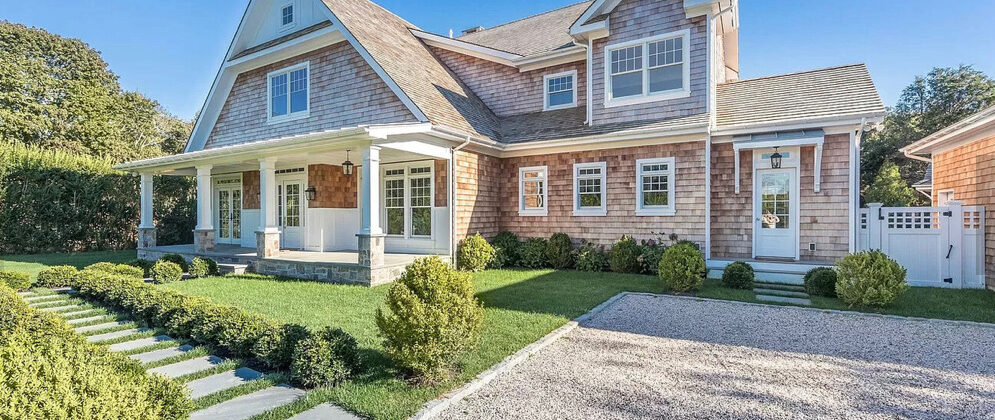
Cost to Build a Custom Home: What Connecticut Homeowners Need to Know Before They Budget
The cost to build a custom home is the central financial question in any custom home project — and it’s one that deserves a thorough, honest answer rather than a headline number stripped of context. The cost to build a custom home in Connecticut is shaped by a wide range of variables: square footage, design complexity, site conditions, specification level, builder experience, and the local construction market. For homeowners in Fairfield County planning a luxury custom home, understanding the real drivers of cost to build a custom home — and how those drivers interact — is essential to developing a budget that reflects the actual investment required to build what you want, where you want it, and to the standard you expect.
Kai Built builds custom homes throughout Stamford, Greenwich, Darien, Westport, and surrounding Connecticut communities. When prospective clients ask about the cost to build a custom home, we engage that question with full transparency — walking through every cost category, explaining the variables that affect each, and helping homeowners develop a realistic total project budget before they commit to a design direction. This guide is our effort to share that framework broadly, so Connecticut homeowners can approach the cost to build a custom home with the knowledge they need to make good decisions.
The Cost to Build a Custom Home in Fairfield County: What the Numbers Look Like
The cost to build a custom home in Fairfield County, Connecticut ranges significantly depending on the project. For luxury custom homes, direct construction costs typically fall between $400 and $700 per square foot, with highly specified projects — featuring custom millwork, premium mechanical systems, high-performance envelopes, and luxury finishes — often exceeding $800 per square foot. A 4,000 square foot luxury custom home at the middle of this range carries a direct construction cost of $1.8 to $2.4 million before land, soft costs, and owner-furnished items are included.
These figures reflect the reality of building in one of the most expensive construction markets in the northeastern United States. Labor costs in Fairfield County are among the highest in Connecticut; material costs reflect regional supply chain conditions; and permitting and inspection processes add time and compliance costs that are built into every project. Homeowners who encounter significantly lower cost to build a custom home figures — whether from online calculators, friends in other markets, or contractors who haven’t fully assessed the scope — should treat those numbers with caution. The cost to build a custom home at the quality level Fairfield County homeowners expect is not available at below-market pricing, and attempting to build that way consistently produces substandard results.
Breaking Down the Cost to Build a Custom Home
To understand the cost to build a custom home, review each major budget category. Direct construction cost covers the builder’s labor and materials. It is the largest component, but not the whole investment. A complete budget also includes site work, soft costs, land, and contingency beyond the base construction contract.
Site work costs prepare the lot for construction. They typically range from $50,000 to $200,000 or more, depending on site conditions. This category includes clearing, grading, foundation excavation, utility connections, driveways, and hardscape. It can also include ledge rock removal, wetland mitigation, or retaining walls. Challenging topography, significant ledge, and complex utility connections increase the cost to build a custom home. Complete a site assessment before budgeting to understand this project-specific cost.
Soft costs include project fees, permits, tests, and financing rather than physical construction. They typically add 15 to 25 percent to direct construction cost. They include architectural and engineering fees, often 8 to 15 percent of construction cost. They also include permit fees, soil testing, surveys, and construction financing. Fairfield County permit fees vary by municipality and can run from $10,000 to $40,000 or more. An honest total cost to build a custom home projection must include these significant expenses.
Design Complexity and Its Effect on Cost to Build a Custom Home
Design complexity is a major and highly variable cost driver. Two homes with identical square footage can have very different construction costs because of their architectural design. Complex rooflines, major cantilevers, curved elements, and multiple material transitions require more engineering. They also require more skilled labor and construction time. These features increase the cost to build a custom home without adding livable square footage.
Ceiling heights also affect the cost to build a custom home. Standard eight-foot ceilings cost the least. Ten-foot ceilings require taller walls and larger windows. Vaulted, coffered, and cathedral ceilings add structural complexity and finish work. The relationship is not proportional. A home with ten-foot ceilings throughout does not cost ten percent more than one with eight-foot ceilings, but the budget must account for the premium.
Finished and unfinished space also affect cost. Finished basements, bonus rooms, and accessory structures increase the total project cost. They may cost less per square foot than primary living space, but they still require a real budget allocation. When a program includes finished lower-level space, include it in early cost projections. Do not overlook it during budget discussions.
Specification Level: The Biggest Variable in Cost to Build a Custom Home
After size and design complexity, specification level is the most powerful cost driver. Premium specifications can add $200,000 to $500,000 or more to the total cost to build a custom home. Homeowners make these choices category by category during design and selections.
Kitchen and bathroom specifications have a major effect on cost. Custom cabinetry can cost two to four times more than semi-custom alternatives. Imported stone countertops cost more than engineered alternatives. High-end plumbing fixtures from European manufacturers also cost far more than domestic equivalents. These choices reflect homeowner preferences and priorities. Track their cumulative effect on the cost to build a custom home throughout selections.
Flooring and tile specifications also affect cost. Wide-plank hardwood, large-format natural stone tile, custom patterns, and radiant heating beneath finish floors cost more than standard alternatives. Exterior cladding choices also vary widely. Board and batten, brick, stone veneer, and high-performance composite have different material and labor requirements.
Mechanical system choices connect the cost to build a custom home with long-term operating costs. High-performance heat pump systems, energy recovery ventilators, and whole-home water filtration systems cost more upfront. However, they can provide lower energy bills and better comfort over the home’s life. Kai Built helps clients evaluate these tradeoffs. We compare different specification levels with projected operating costs over time.
High-Performance Building Envelope Costs
Homeowners who value energy performance and indoor air quality should expect a modest premium for high-performance construction. Continuous insulation, triple-pane windows, and rigorous air sealing typically add 3 to 8 percent to the base cost to build a custom home. Lower operating costs, greater comfort, and superior durability recover that premium over the life of the home.
Connecticut homeowners face significant heating and cooling costs. Energy prices are also among the country’s highest. As a result, high-performance construction makes a compelling financial case. It can lower utility bills, reduce maintenance, and support long-term performance and value. Kai Built conducts energy modeling on every custom home project. This lets clients compare performance levels with projected energy use and operating cost.
Contingency in the Cost to Build a Custom Home Budget
Every well-structured cost to build a custom home budget includes a contingency reserve. It typically equals 10 to 15 percent of direct construction cost. The reserve addresses unforeseen conditions without disrupting the project or forcing painful mid-construction tradeoffs. Every project has some uncertainty. Conditions behind walls, beneath soil, or within existing structures may remain unknown until construction begins.
Builders should recommend a contingency reserve when they present the cost to build a custom home. Without one, they may be overly optimistic or focused on making the initial number seem lower. A realistic total includes contingency because construction projects encounter unexpected conditions. Kai Built includes contingency in every project budget from the outset. We also provide transparent accounting of how clients use those funds.
Financing the Cost to Build a Custom Home
Many Connecticut homeowners use a construction loan to finance the cost to build a custom home. This short-term credit facility funds draws as work is completed. It converts to a permanent mortgage at project completion. Terms, interest rates, and lender requirements vary. Financing is a real budget component. Interest on a $2 million construction loan over an 18-month build period represents a meaningful additional expense.
Homeowners who use equity or liquid assets avoid financing costs. However, they should still model the opportunity cost of that capital. Work with a financial advisor and your builder during budget planning. That process helps ensure you understand the full cost to build a custom home, including financing, before making commitments.
How to Get an Accurate Cost to Build a Custom Home Estimate
An experienced local builder provides the most reliable cost to build a custom home estimate. The builder should assess your site, understand your program, and have experience delivering comparable local projects. National per-square-foot averages offer only a starting point. At worst, they create serious budget misalignment. Fairfield County costs reflect local labor, materials, permitting, and construction complexity. National averages do not capture those factors.
At Kai Built, we develop cost to build a custom home projections early in design. We do this before full plans are complete. Our estimates draw on comparable projects and real-time subcontractor and material pricing. Early visibility lets clients make design decisions with their budget in view. It avoids discovering a budget problem after months of design work. We evaluate design and cost simultaneously through the integrated design-build model we operate.
Why Kai Built for Your Connecticut Custom Home
Kai Built delivers custom homes throughout Stamford, Greenwich, Darien, Westport, New Canaan, Norwalk, and the broader Fairfield County region. Clients receive complete transparency when they work with us to understand the cost to build a custom home. We cover direct construction, site work, soft costs, and contingency. We also manage costs throughout design and construction. Clients who understand their budget make better partners. Clear expectations create the foundation for a successful project.
Our approach combines rigorous pre-construction planning, disciplined specification management, and open communication in every phase. We do not minimize projections to win projects. We also do not surprise clients with change orders that planning should have anticipated. Kai Built establishes the cost to build a custom home during planning, then manages it proactively and transparently through completion.
Ready to Talk Through the Cost to Build a Custom Home? Let’s Connect.
If you are planning a custom home in Connecticut, Kai Built can provide a clear and complete picture of the cost to build a custom home for your program, site, and goals. Our consultations cover the full investment. That includes more than construction cost. We explain every component from land through move-in.
Our team serves homeowners throughout Stamford, Greenwich, Darien, Norwalk, Westport, New Canaan, Ridgefield, and surrounding Connecticut communities. Call us at (203) 667-1187 or visit kaibuilt.com to start the conversation. We look forward to helping you understand the true cost to build a custom home — and to building something exceptional together.