

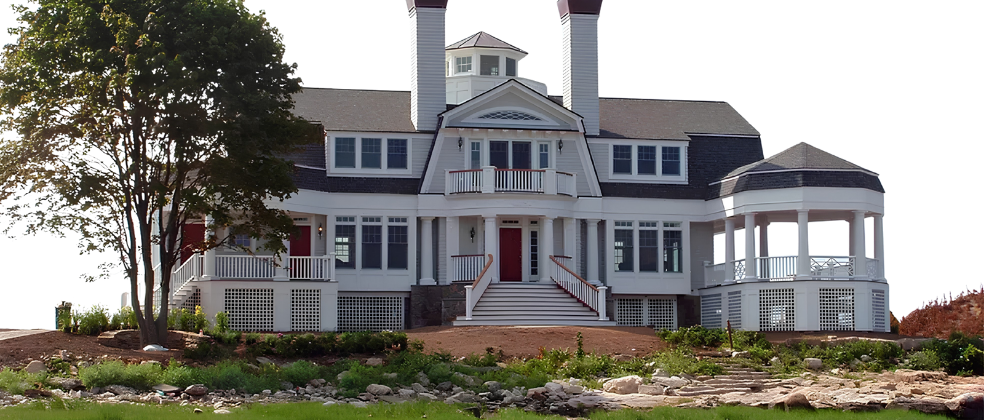
Home Addition Contractor: How to Evaluate and Hire the Right Builder for Your Project
Hiring a home addition contractor is one of the most consequential decisions a homeowner makes during a home addition project, and it deserves more thought than a quick comparison of estimates. The home addition contractor you choose will shape every part of the experience: how clearly the scope is defined, how well the new space integrates with your existing home, how honestly costs are communicated, and how the finished addition actually feels to live in. Across Fairfield County, where property values are high and expectations are equally high, the gap between an excellent home addition contractor and an average one shows up clearly, both in the quality of the finished space and in how smooth the process felt along the way.
Kai Built serves homeowners in Stamford, Greenwich, Darien, Westport, New Canaan, and nearby Fairfield County communities. We create additions that feel like part of the original home, not awkward add-ons. This guide explains what to look for, which questions to ask, and which red flags to consider before signing a contract.
What a Home Addition Contractor Is Actually Responsible For
A home addition contractor is a licensed builder who manages the work of adding living space to an existing structure. Their role extends far beyond framing walls. They evaluate your home’s structure, electrical, plumbing, and mechanical systems. Then, they determine how the new construction will connect to the existing home. They manage design development, coordinate permits, and oversee every trade. They also ensure the finished addition meets code and delivers the promised quality.
The best home addition contractor treats an addition as an extension of your existing home, not a separate structure attached to its side. That distinction matters. An experienced contractor can align rooflines, siding details, window proportions, and interior flow with the original house. The result feels like one cohesive home rather than an obvious add-on.
Questions to Ask Before Hiring a Home Addition Contractor
Evaluate a home addition contractor beyond a license number and online reviews. Both matter, but they are only a starting point. Ask how many additions similar to yours the contractor completed in the past two to three years. Request photos, or better yet, visit a completed project. A confident contractor will make this easy.
Ask how the home addition contractor handles the connection between old and new construction. This is where many problems begin. Moisture intrusion, thermal bridging, and settling issues often start at this seam. Look for a contractor who understands flashing details, air sealing at the transition, and foundation tie-ins. That knowledge shows real expertise, not just sales polish.
Ask how the home addition contractor handles payment schedules, change orders, and project communication. A strong contract ties payments to clear milestones. It also documents how both parties will address unforeseen conditions. Vague payment terms and an unwillingness to provide a detailed written scope deserve serious attention.
Finally, ask about the home addition contractor’s approach to permitting in your specific town. Fairfield County municipalities, including Stamford, Greenwich, Darien, and Westport, each have their own setback requirements, height restrictions, and lot coverage limits. A home addition contractor with established relationships and a track record in your particular town will typically move through the approval process more efficiently than one working there for the first time.
Licensing, Insurance, and Verification
Before hiring a home addition contractor, verify their Connecticut contractor license is active and confirm they carry both general liability insurance and workers’ compensation coverage. This is not a formality. If a worker is injured on your property and the home addition contractor lacks proper workers’ compensation coverage, the liability can fall on the homeowner. Ask for certificates of insurance directly from the insurance carrier, not just a copy provided by the contractor, and confirm the policy is current before construction begins.
References matter more than most homeowners realize when evaluating a home addition contractor. Rather than accepting a short list of hand-picked references, ask for contacts from projects completed within the last one to three years, and ask those references specific questions: Did the project stay close to the original budget? Was the timeline honored? How did the home addition contractor handle problems when they came up, because problems come up on nearly every project? The answer to that last question often reveals more about a home addition contractor’s character than anything else.
Understanding the Types of Home Additions a Contractor Might Build
The scope of work varies significantly depending on the type of addition, and a strong home addition contractor should be able to speak to the specific demands of each. Primary suite additions typically involve plumbing, electrical, HVAC extension, insulation, and a full finish package layered on top of structural work. A home addition contractor building a primary suite needs to coordinate multiple trades carefully so that the sequencing does not create delays or rework.
Second-story additions represent some of the most technically demanding work a home addition contractor takes on, since adding a full floor requires structural engineering review of the existing foundation and frame before any construction begins. A home addition contractor without deep structural expertise may miss conditions that only reveal themselves once the roof is opened up, leading to costly surprises mid-project.
Kitchen and family room expansions are common projects for a home addition contractor working in Fairfield County, where homeowners frequently want a larger, more functional space for cooking and entertaining. These additions require careful structural planning and close coordination with existing systems, and the best home addition contractor approaches them with the same rigor as a full structural addition, even when the scope looks smaller on paper.
Red Flags to Watch for When Hiring
Certain warning signs should give any homeowner pause when evaluating a home addition contractor. A bid that comes in dramatically lower than every other estimate is rarely a sign of efficiency. It is far more often a sign that scope has been omitted, that lower-grade materials will be substituted without disclosure, or that the contractor plans to make up the difference through change orders once the project is underway.
Be cautious of any home addition contractor who pressures you to sign quickly, asks for a large upfront deposit before any work has been scoped in detail, or is reluctant to provide a written, itemized proposal. A home addition contractor confident in their pricing and their process will welcome scrutiny rather than avoid it.
Pay attention as well to how a home addition contractor communicates during the bidding process itself. If reaching them is difficult before you have signed a contract, that pattern typically does not improve once construction begins and your project has their attention divided among multiple job sites.
Comparing Home Addition Contractor Quotes Accurately
Once you have narrowed your search to two or three qualified firms, comparing quotes from a home addition contractor requires more than lining up bottom-line numbers. Request an itemized breakdown from each home addition contractor, covering site work, structural work, mechanical systems, insulation and air sealing, finishes, and permit fees. Two proposals that appear similar at first glance often differ significantly once you see what is actually included, and what has been left as an allowance to be determined later.
Pay close attention to the allowances a home addition contractor builds into a proposal for items like flooring, fixtures, and cabinetry. Low allowances can make an initial number look attractive while setting up a homeowner for significant cost increases once actual selections are made. A home addition contractor who sets realistic allowances based on the finish level you have described is giving you a more honest starting point, even if the initial number is higher than a competitor’s.
It is also worth asking each home addition contractor how they define the project timeline and what could reasonably extend it. Weather delays, permitting timelines controlled by the municipality, and unforeseen structural conditions are common and largely outside any contractor’s control. A home addition contractor who gives you an honest range rather than an overly optimistic single date is setting expectations you can actually plan around.
What to Expect Once Construction Begins
After you have selected a home addition contractor and permits are approved, most projects move through a predictable sequence: site preparation and foundation work, framing, rough mechanical systems, insulation and air sealing, drywall and interior finishes, and final inspections. A well-organized home addition contractor keeps you informed at each transition, flags decisions that need to be made before they become time-sensitive, and maintains a clean, safe job site throughout.
Regular communication during construction is one of the clearest indicators of a strong home addition contractor. Ask in advance how often you can expect updates, whether through scheduled site walks, written progress reports, or a project management platform. A home addition contractor who sets this expectation clearly at the start of the project, and then honors it, makes the entire experience far less stressful for the homeowner.
What Working with Kai Built as Your Home Addition Contractor Looks Like
Kai Built approaches every home addition contractor engagement with a design build model, meaning the same team responsible for design is also accountable for construction. That structure removes the finger-pointing that can occur when a homeowner works with a separate architect and contractor, and it means budget realities are considered from the earliest design conversations rather than discovered after plans are finalized.
Every addition we build is approached with the same wellness-focused philosophy that defines all of our work: natural light, thoughtful flow between old and new space, and construction detailing that performs as well as it looks. As your home addition contractor, our goal is not simply to add square footage. It is to create a space that improves how your entire home feels and functions, integrated so seamlessly that it feels like it was part of the original design.
We serve homeowners throughout Stamford, Greenwich, Darien, Westport, New Canaan, Norwalk, and the broader Fairfield County region, and we bring the same standard of craftsmanship and building science expertise to every addition project, regardless of size.
How Long the Hiring Process Typically Takes
Homeowners are often surprised by how much time the hiring phase itself can take, separate from design and construction. Researching and requesting quotes from a home addition contractor typically takes two to four weeks, followed by another two to four weeks of meetings, reference checks, and proposal comparison before a contract is signed. Rushing this stage to save a few weeks rarely pays off, since the relationship you build with a home addition contractor during the hiring process is often a preview of how the entire project will go.
Homeowners who start the search for a home addition contractor well before they hope to break ground, ideally three to six months in advance, tend to have a much smoother experience. That timeline allows for thorough vetting, a thoughtful design phase, and a realistic permitting window, rather than pressure to select a contractor quickly because construction needs to start on a fixed date.
Ready to Hire a Home Addition Contractor?
Choosing the right home addition contractor is the single decision that most influences whether your addition becomes an asset you love or a source of ongoing frustration. Take the time to ask thorough questions, verify licensing and insurance, speak directly with past clients, and pay close attention to how a contractor communicates before you ever sign a contract.
If you are planning a home addition in Fairfield County and want a home addition contractor who brings thoughtful design, rigorous construction standards, and full transparency to the process, Kai Built would welcome the opportunity to talk through your project. Call us at (203) 667-1187 or visit kaibuilt.com to schedule a consultation and see what a truly integrated approach to home additions looks like.