

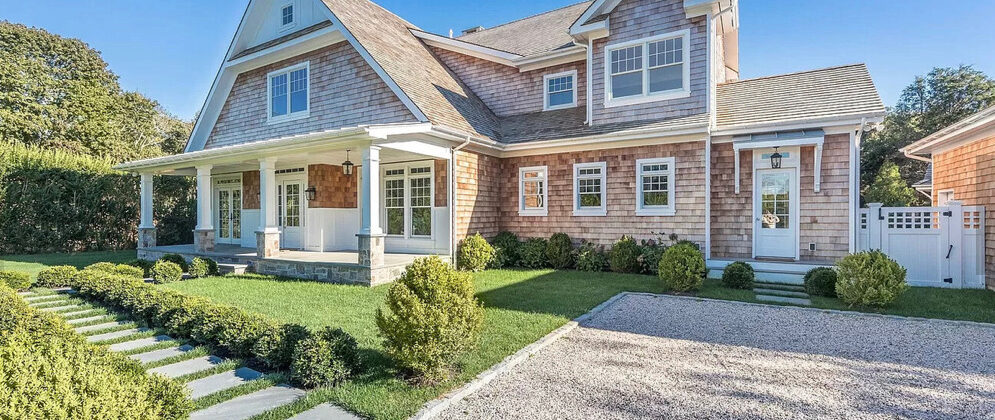
Green Home Builder: How Sustainable Building Begins With the Land
When people imagine the work of a green home builder, they usually picture solar panels, heat pumps, and thick walls of insulation. Those things matter, but sustainable building actually begins much earlier, the first time someone walks the land. How a home sits on its site, which trees remain, where the water goes, and how the ground is treated during construction all shape the home’s footprint for generations.
Kai Built designs and builds homes for families in Stamford, Greenwich, Darien, Westport, and throughout Fairfield County, and this guide looks at the work of a green home builder from the ground up. It explains how careful site planning, tree protection, water management, and low-impact construction create homes that feel connected to their surroundings and gentle on the landscape.
Connecticut land carries a lot of character, from old stone walls and mature hardwoods to brooks, wetlands, and rocky slopes. A green home builder treats those features as assets to protect rather than obstacles to clear. The result is a home that feels like it belongs exactly where it stands.
Why Homeowners Choose a Green Home Builder Who Starts With the Site
Homeowners choose a green home builder who starts with the site because the land is often what drew them to the property in the first place. A view through old oaks, a meadow edged by stone walls, or the sound of a nearby brook can disappear quickly under careless construction. Protecting those qualities protects the reason the family chose the lot, and it preserves something that no amount of money could quickly replace.
Many families relocating from New York City are moving to Fairfield County for exactly this connection to nature. They want light, trees, open space, and a sense of calm that city living rarely offers. A green home builder who designs around the landscape helps them keep that experience at the heart of the home, from the first morning view to the walk down the driveway.
There is also a practical reason, since a well-planned site reduces long-term costs and risks. Thoughtful grading, drainage, and tree protection lower the chances of wet basements, erosion, and storm damage. A green home builder sees environmental care and good building practice as the same thing, because both aim for a home that lasts with as little trouble as possible.
What to Consider Before Hiring a Green Home Builder for Your Site
Before hiring a green home builder for your site, walk the property in different seasons if you can. Notice where water collects after rain, where the sun falls in winter, which trees are healthy, and where the land feels most inviting. Those observations will help shape where the house should go, how the rooms are arranged, and which parts of the land should be left entirely undisturbed.
Consider which features you most want to preserve, whether that is a specimen tree, a stone wall, a view, or a wooded buffer from neighbors. Share those priorities with any green home builder you interview and ask how their design and construction process would protect them. Specific answers are a strong sign of genuine site experience, while vague reassurances often mean the site will be treated as an afterthought.
Think also about local regulations, which often reinforce good site practice in Fairfield County. Properties near wetlands or watercourses usually require review by the town’s Inland Wetlands commission, and many towns have rules on stormwater, tree removal, and lot coverage. A green home builder familiar with these requirements can treat them as part of the design rather than as hurdles.
The Process Behind a Green Home Builder’s Site Approach
The process behind a green home builder’s site approach begins with a detailed survey that maps topography, trees, rock outcrops, wetlands, and existing walls. From that survey, the design team studies sun paths, prevailing winds, and natural drainage patterns. The team then places the house to minimize disturbance and capture the best light and views. Often, it uses ground that was already open or previously disturbed.
During design, a green home builder works to keep the footprint compact and the driveway efficient, reducing paved area and the amount of earth that must be moved. Stormwater strategies may include rain gardens, infiltration systems, permeable paving, and preserved vegetated buffers. Landscape plans favor native plants that need less water and support local wildlife, creating a setting that looks natural and needs far less care over time.
Before construction starts, the team installs protection measures on site. These include fencing around trees to be saved, erosion controls, and clearly marked limits of disturbance. The crew strips and stockpiles topsoil for reuse instead of hauling it away. It also sorts construction waste for recycling where possible. A green home builder monitors these measures throughout the project, not just on the first day.
Benefits of Working With a Green Home Builder Who Protects the Land
The first benefit of working with a green home builder who protects the land is a home that feels rooted in its setting. Mature trees provide shade, privacy, and a sense of age that new plantings take decades to create. Keeping them makes a new home feel settled from the day you move in, as though the house and the landscape have always belonged together.
A second benefit is better performance, since site design and building performance are closely connected. Shade from deciduous trees cools the house in summer while letting winter sun through, and good orientation reduces heating and cooling needs. A green home builder uses these natural advantages to support the home’s efficiency, so the mechanical systems have less work to do in every season.
The third benefit is lasting health for both the household and the surrounding landscape. Clean water, healthy soil, and thriving native plants create an environment that supports wellness, from fresher air to the simple pleasure of spending time outdoors. A green home builder who cares for the land helps create a home that feels calm, restorative, and alive.
Common Challenges for a Green Home Builder on Connecticut Sites
One common challenge for a green home builder on Connecticut sites is ledge and rocky soil, which can complicate foundations and utilities. Blasting or extensive excavation disturbs more of the site and adds cost. Careful placement of the house and thoughtful foundation design can often reduce how much rock must be removed, which protects both the site and the budget.
Another challenge is protecting trees during construction, because roots extend far beyond what most people expect. Heavy equipment, stored materials, and grade changes within the root zone can damage a tree that looks perfectly healthy for years before it declines. A green home builder sets clear protection zones and enforces them with every trade on site.
A third challenge is managing stormwater on sloped or wet lots, especially as storms become more intense. Water must be directed away from the house without sending problems downhill to neighbors or nearby brooks. A green home builder plans drainage as a complete system, combining grading, infiltration, and planting so that water is slowed, absorbed, and filtered on the property.
How to Budget for a Green Home Builder’s Site Work
When you budget for a green home builder’s site work, include the costs of careful planning, not just excavation and grading. Detailed surveys, arborist assessments, soil testing, and stormwater design all carry fees. These early investments often save money by preventing costly problems later, such as a foundation in the wrong place or a drainage plan that fails in the first heavy storm.
Next, plan for protection measures during construction, including tree fencing, erosion controls, and the extra care needed to work around preserved features. Some of these costs are required by local permits, while others reflect a green home builder’s higher standard. Both are worthwhile investments in the long-term value of the property, since a healthy landscape is far easier to protect than to rebuild.
Finally, consider the landscape as part of the project budget rather than an afterthought funded with whatever is left at the end. Native plantings, rain gardens, and restored soil complete the site strategy and help the home settle into its surroundings. A green home builder will help you phase landscape work if needed, protecting the most important elements first.
Why Kai Built as Your Green Home Builder
Kai Built works as a green home builder because we believe a home should support both the people inside it and the land around it. Our design and construction teams begin every project by studying the site, so light, views, trees, and water shape the plan from the start. The result is a home that feels calm, intentional, and entirely your own.
We serve families in Stamford, Greenwich, Darien, Westport, New Canaan, Norwalk, and Ridgefield, and we understand the wetlands, rocky ground, and wooded lots that define Fairfield County. As a green home builder, we combine careful site work with high-performance construction, healthy materials, and efficient systems. Every part of the project works together, so the site, the structure, and the systems support one another rather than competing.
Most of all, we treat the land with respect throughout construction, not only in the plans. Protection measures are maintained, trades are briefed, and the site is cared for every day. That discipline is what allows a green home builder to deliver on the promise of sustainable building, and it is something you can see whenever you visit.
Ready to Talk With a Green Home Builder About Your Land?
If you own land in Fairfield County or are considering a property, Kai Built would be glad to walk it with you as your green home builder. We will look at the light, the trees, the water, and the features you love most, then talk through how a home could fit gracefully into the setting. There is no pressure, only an honest conversation about your land, your goals, and the home that could take shape there.
We work with families throughout Stamford, Greenwich, Darien, Westport, New Canaan, Norwalk, Ridgefield, and the surrounding Connecticut communities. Call (203) 667-1187 or visit kaibuilt.com to schedule a consultation with a green home builder who starts with the land and builds with care.