

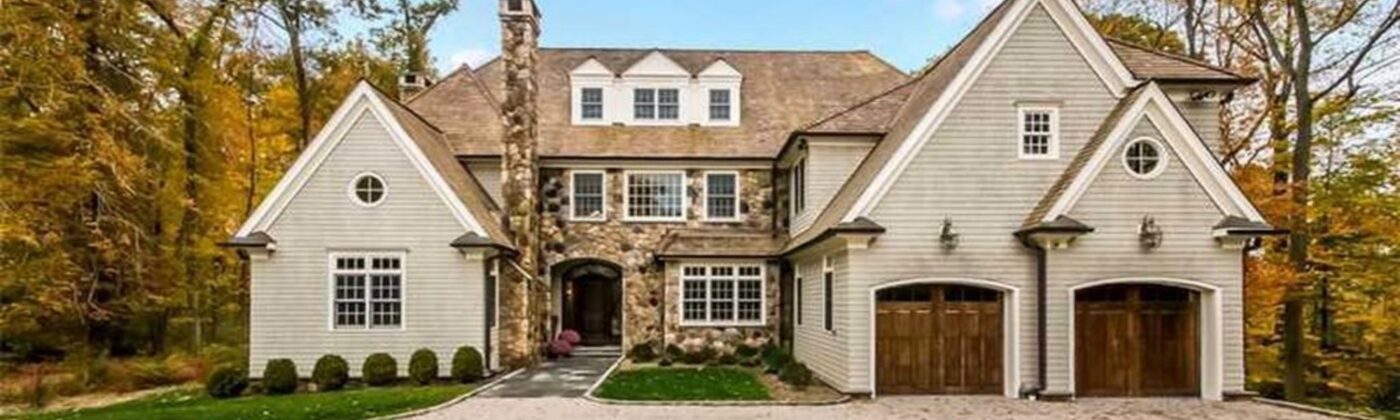
High Performance Homes: The Questions to Ask Before You Build One
The term high performance homes gets used loosely across the custom home building industry, and that inconsistency puts homeowners in a difficult position. Two builders can both claim to build high performance homes while delivering very different actual results, because the term describes an intention rather than a guaranteed outcome. For homeowners in Fairfield County planning a significant investment in a custom home, knowing how to evaluate whether a builder’s high performance homes claims hold up matters just as much as understanding what high performance homes are in the first place.
Kai Built builds high performance homes throughout Stamford, Greenwich, Darien, Westport, and nearby Fairfield County communities. We welcome scrutiny because testing and documentation support our performance claims. This guide covers the practical side of high performance homes. It outlines the questions to ask, the numbers to request, and the verification steps that separate genuine performance from marketing language.
Why the Term Gets Misused
High performance homes should describe a measurable standard, but without a consistent industry definition, the term gets applied to homes with meaningfully different levels of actual performance. Some builders use high performance homes language to describe a home with slightly better insulation than code minimum. Others use it to describe homes verified through blower door testing, energy modeling, and third-party certification. Both might advertise high performance homes, but the lived experience and long-term operating cost of these two homes will differ substantially.
This gap between marketing language and measurable performance is exactly why homeowners evaluating high performance homes need to ask for numbers, not adjectives. A builder who can cite specific air changes per hour, R-values by assembly, and projected energy use intensity is demonstrating real command of high performance homes construction. A builder who can only offer general reassurance that the home will be efficient is signaling something different.
The Numbers Worth Asking About
When evaluating high performance homes claims, ask for the target ACH50. It measures air changes per hour at fifty pascals of pressure during a blower door test. This is the standard metric for envelope airtightness. Code minimum construction in Connecticut typically tests between five and seven ACH50. Genuine high performance homes target one to three ACH50. The most rigorous projects approach Passive House standards near 0.6. Ask any builder claiming to build high performance homes what ACH50 target they design to and how they verify it.
Ask about the HERS index, a whole-home energy rating that compares a home’s projected energy use to a reference home of the same size and shape. A HERS index of 100 represents standard new construction under current code. Genuine high performance homes typically achieve a HERS index between 40 and 60, meaning they use roughly half the energy of a code-minimum new home. Some high performance homes with solar and advanced mechanical systems achieve a HERS index near zero or below, indicating net-zero or better energy performance.
Request the specific R-values planned for the walls, roof, and foundation, along with the window specifications, including U-factor and solar heat gain coefficient. High performance homes typically specify continuous exterior insulation in addition to cavity insulation, since this eliminates the thermal bridging that occurs at every framing member in conventional construction. A builder who can speak fluently and specifically about these assembly details is showing genuine building science expertise, which is the foundation that real high performance homes are built on.
Verification: How to Confirm Performance Claims Are Real
Third-party blower door testing during construction is the most important verification step for high performance homes. Do not wait until the end. Test the envelope while it remains accessible, usually at the rough-framing stage. The test identifies leaks so the builder can correct them before drywall closes the wall cavities. Ask whether a builder tests during construction or only at project completion. A final test alone makes problems far more expensive and disruptive to fix.
Ask whether energy modeling was performed during design, and request to see the results. Energy modeling software allows a design team to predict a home’s energy performance before construction begins, testing different assembly and mechanical system choices against performance targets. Builders who conduct energy modeling on every project, as Kai Built does for all high performance homes, can show you documentation of projected performance tied to specific design decisions, not just a general commitment to efficiency.
Third-party certification programs, including ENERGY STAR, Passive House, and the Department of Energy’s Zero Energy Ready Home program, provide independent verification of high performance homes claims. While certification is not required to build a genuinely high-performing home, a builder’s willingness to pursue third-party verification signals confidence in their actual results. Ask whether a builder has certified any of their high performance homes projects and ask to see documentation from those certifications.
What High Performance Homes Actually Feel Like to Live In
Beyond the numbers, evaluating high performance homes should include understanding the lived experience these performance metrics create. Homeowners in genuine high performance homes report an absence of the temperature variation that is common in conventional construction. Rooms above garages, upstairs bedrooms, and spaces far from the mechanical system typically stay within a few degrees of the rest of the home, rather than running noticeably warmer or colder.
Sound is another dimension of the high performance homes experience that homeowners often do not anticipate. The continuous air barrier and additional insulation that deliver thermal performance also reduce outdoor noise transmission significantly. Homeowners moving from conventional homes into high performance homes frequently comment on how quiet the interior feels, even along busy roads or near active neighbors.
Humidity control is a further benefit of well-executed high performance homes. Because these homes control air movement and moisture so precisely, they avoid the summer humidity and winter dryness that make conventional homes uncomfortable in Connecticut’s climate. Ask a builder how their high performance homes approach manages relative humidity across seasons, since this is a detail that reveals whether ventilation and mechanical systems have been properly integrated into the overall envelope strategy.
Understanding the Real Cost Premium
Homeowners considering high performance homes often assume the cost premium is larger than it actually is. In practice, the envelope and mechanical system upgrades required for genuine high performance homes typically add three to eight percent to overall construction cost compared with code-minimum construction, not the much larger premium many homeowners expect. This modest premium reflects continuous insulation, upgraded windows, air sealing labor and materials, and right-sized, efficient mechanical equipment.
That premium needs to be weighed against the operating cost savings high performance homes deliver. Homes built to genuine high performance homes standards typically use forty to seventy percent less energy than comparable conventional construction, which in Connecticut, with some of the highest electricity rates in the country, translates into meaningful annual savings. Ask a builder to walk through the projected payback period for the specific performance upgrades being proposed for your project, based on your local utility rates and the home’s projected energy use.
Questions to Ask About Ventilation
Because high performance homes seal the envelope so effectively, mechanical ventilation becomes essential rather than optional. Ask about the planned ventilation strategy. Confirm whether the design includes an energy recovery ventilator or heat recovery ventilator. Also ask how the system is sized for the home’s square footage and occupancy. A builder who treats ventilation as an afterthought, rather than a core component of the high performance homes design, is missing a critical piece of the system.
Ask how filtration is handled within the ventilation system, since indoor air quality is one of the most significant wellness benefits genuine high performance homes deliver. Homes with tightly sealed envelopes and properly filtered mechanical ventilation consistently show better indoor air quality than conventional homes that rely on uncontrolled infiltration for fresh air, which also drags in outdoor pollutants, allergens, and moisture along with whatever fresh air does enter.
Red Flags When Evaluating High Performance Homes Claims
Be cautious of any builder who cannot answer specific technical questions about ACH50 targets, HERS index projections, or assembly R-values, but continues to use high performance homes language in their marketing. This gap between claims and technical fluency is one of the clearest signals that the term is being used loosely rather than backed by real building science expertise.
Be equally cautious of a builder who resists third-party testing or presents blower door testing as an unnecessary added cost rather than standard practice. Genuine high performance homes builders view testing as essential quality control, not an optional add-on, and should be able to show you testing results from recently completed projects without hesitation.
How to Compare Bids for High Performance Homes
Comparing bids for high performance homes requires more scrutiny than comparing bids for conventional construction, since two proposals claiming similar performance outcomes may include very different scopes of work underneath. Request that each bidder itemize the specific performance-related line items separately, including continuous insulation, air sealing labor and materials, upgraded windows, and mechanical ventilation equipment, so you can see exactly what each builder is proposing rather than comparing two lump sums that may represent very different actual specifications.
Ask each bidder for their track record specifically with high performance homes, not just custom homes generally. A builder with decades of conventional custom home experience but limited high performance homes experience may make good-faith commitments to performance targets without the specific field experience needed to execute the details correctly. Ask for blower door testing results from at least three recently completed projects, and ask whether those results met, exceeded, or fell short of the original design targets.
The Role of the Design Phase in High Performance Homes Outcomes
Genuine high performance homes outcomes are determined largely during design, before construction ever begins. Decisions about window placement and orientation, the continuity of the insulation and air barrier systems, and the sizing of mechanical equipment all need to be resolved on paper and tested against energy modeling before framing starts. Homeowners evaluating a builder’s high performance homes process should ask specifically how performance considerations are integrated into design meetings, not treated as a separate technical review that happens after the architectural design is already finalized.
A design build approach tends to produce stronger high performance homes outcomes than a model where an independent architect completes a design without ongoing input from the construction and building science team. When the people responsible for executing air sealing and insulation details are involved in design conversations from the start, performance targets are built into the design intent rather than retrofitted onto a design that was not originally conceived with those targets in mind.
Why Kai Built’s Approach to High Performance Homes Holds Up to Scrutiny
Kai Built designs and builds high performance homes throughout Stamford, Greenwich, Darien, Westport, New Canaan, Norwalk, and the broader Fairfield County region, and every claim we make about performance is backed by energy modeling during design and blower door testing during construction. We are glad to walk prospective clients through our actual testing results on recently completed high performance homes, our specific assembly details, and our HERS index outcomes, because we know that transparency is what separates genuine high performance homes from marketing language.
Our high performance homes are also designed with the same wellness-centered philosophy that defines all of our work, integrating abundant natural light and thoughtful daylighting strategy alongside the technical performance details that make these homes comfortable, healthy, and efficient to operate for decades.
Ready to Ask the Right Questions?
If you are planning a custom home in Fairfield County and want to build a home that genuinely delivers on high performance homes claims, not just uses the language, Kai Built is ready to walk you through our specific numbers, our testing process, and what performance you can realistically expect from your project.
Call us at (203) 667-1187 or visit kaibuilt.com to schedule a consultation and start the conversation with the questions that actually matter.